As part one of the Hormone Balance for Fertility and Beyond post explains, estrogen dominance, or relatively low progesterone, is more common during reproductive years. As the natural aging process continues, estrogen levels also lower. Beyond reproductive functions in the ovarian system, estrogen plays a role for all sexes in cardiovascular, skin, and brain health [1, 2, 3] as well as mood, metabolism, and bone density regulation [4, 5, 6].
The estrogen phase of the menstrual cycle is from day one up (when bleeding would typically begin) until ovulation. Without regular menstruation, as in perimenopause and menopause or if menstruation is absent due to diet or exercise habits, estrogen levels may lower.
Symptoms that may occur when this is the case are particularly hot flashes, vaginal dryness, mood swings, brain fog, sleep problems, fatigue, decreased libido, and thinning skin/hair. A blood test (ideally taken between days 1 and 3 of your cycle) could verify your hormone levels. If you have a menstrual cycle and notice symptoms in this first half of the cycle, or if your cycle is intermittent or has ceased, nutritional support for estrogen may be helpful.
The best dietary sources of phytoestrogens (compounds sourced from plants) I most recommend are:
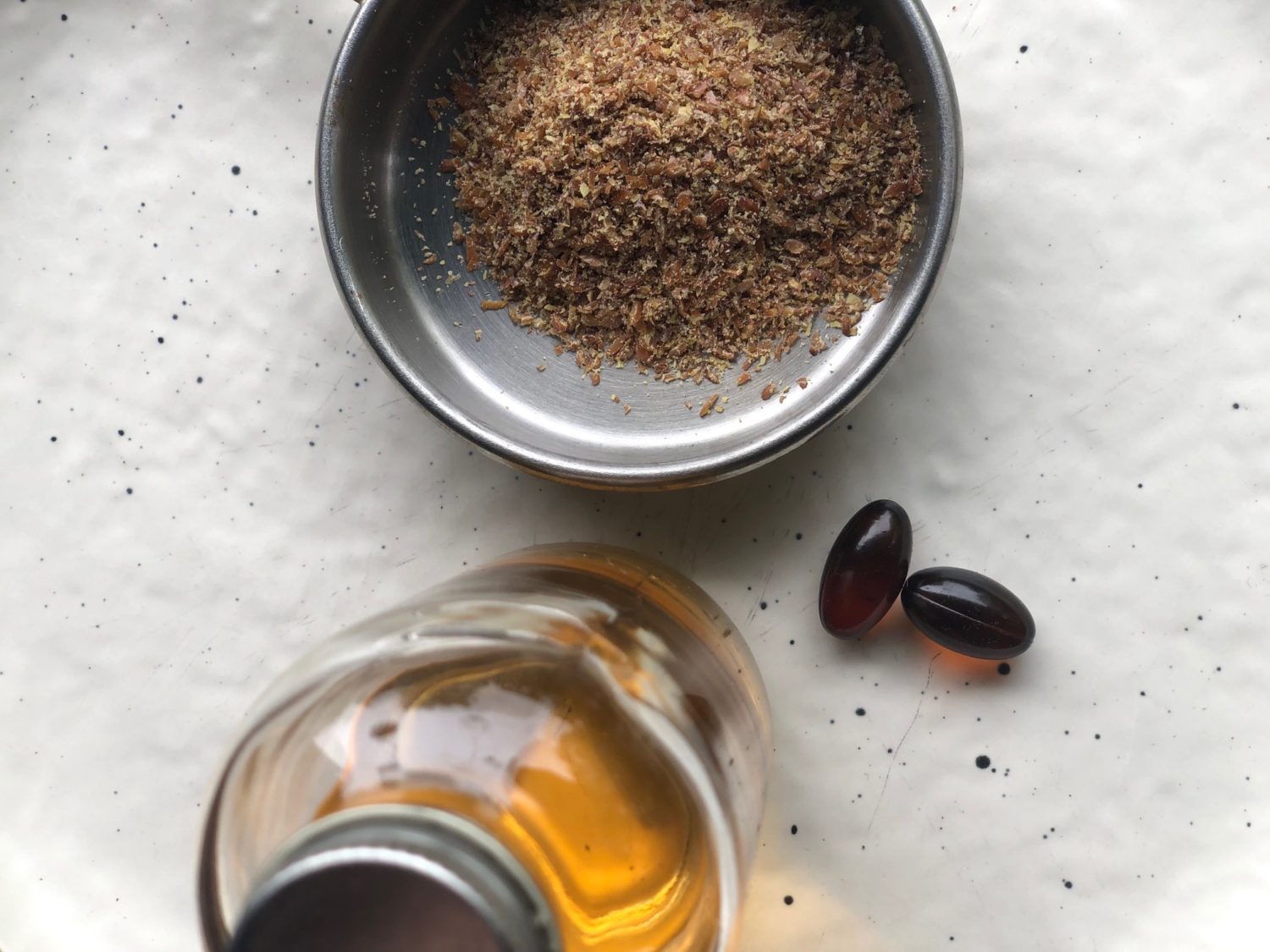
1) Flaxseeds: These are my number one choice because they are so easy to incorporate. Use ground brown flaxseed and sprinkle on anything as it is nearly flavorless.
2) Soy: The forms I recommend are tempeh and edamame as they are both minimally processed forms of whole soy beans. Tempeh has additional digestion benefits as a fermented food.
3) Cruciferous vegetables: While broccoli and cauliflower are the most common, my favorite crucifer is kale. An easy way to add it into your diet is keeping frozen kale on hand to add into what you’re cooking.
4) Sesame seeds: Add the whole seeds to food or replace other spreads or nut butters with tahini.
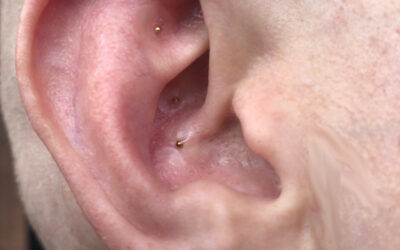
Acupuncture can help with hormone regulation and balance through lowering stress response, increasing circulation to endocrine organs and improving metabolism and elimination. If symptoms persist with moderate exercise, a nutrient-dense diet and hormone-balancing acupuncture treatment, consulting with an endocrinologist about hormone-replacement therapy (HRT) may be useful.
References:
1. Khalil RA. Potential approaches to enhance the effects of estrogen on senescent blood vessels and postmenopausal cardiovascular disease. Cardiovasc Hematol Agents Med Chem. 2010;8(1):29-46. doi:10.2174/187152510790796156